Introduction
Crawl spaces are often the most overlooked areas of a home, yet they play a crucial role in maintaining the structural integrity and overall health of your property. Excess moisture in crawl spaces can lead to a host of problems, from mold growth to weakened foundations. This comprehensive guide aims to educate homeowners on the risks of crawl space moisture and provide actionable solutions to keep your home safe and sound.
Why Crawl Space Moisture is a Problem
What causes crawl space moisture?
Crawl space moisture can occur due to a variety of reasons, such as poor drainage systems, lack of vapor barriers, and high humidity levels. External factors like heavy rainfall and improper landscaping can exacerbate these issues.
What are the risks of crawl space moisture?
Excess moisture in crawl spaces can lead to:
- Mold and Mildew: These not only damage your home but also pose serious health risks.
- Structural Damage: Prolonged moisture can weaken wooden beams and other foundational elements.
- Pest Infestations: Damp environments are breeding grounds for pests like termites and rodents.
- Higher Energy Costs: Moist crawl spaces can affect the insulation of your home, leading to increased heating and cooling expenses.
Identifying Crawl Space Moisture Issues
How can you tell if your crawl space has moisture problems?
Some signs include:
- Musty odors emanating from the crawl space.
- Visible mold or mildew on wooden beams and insulation.
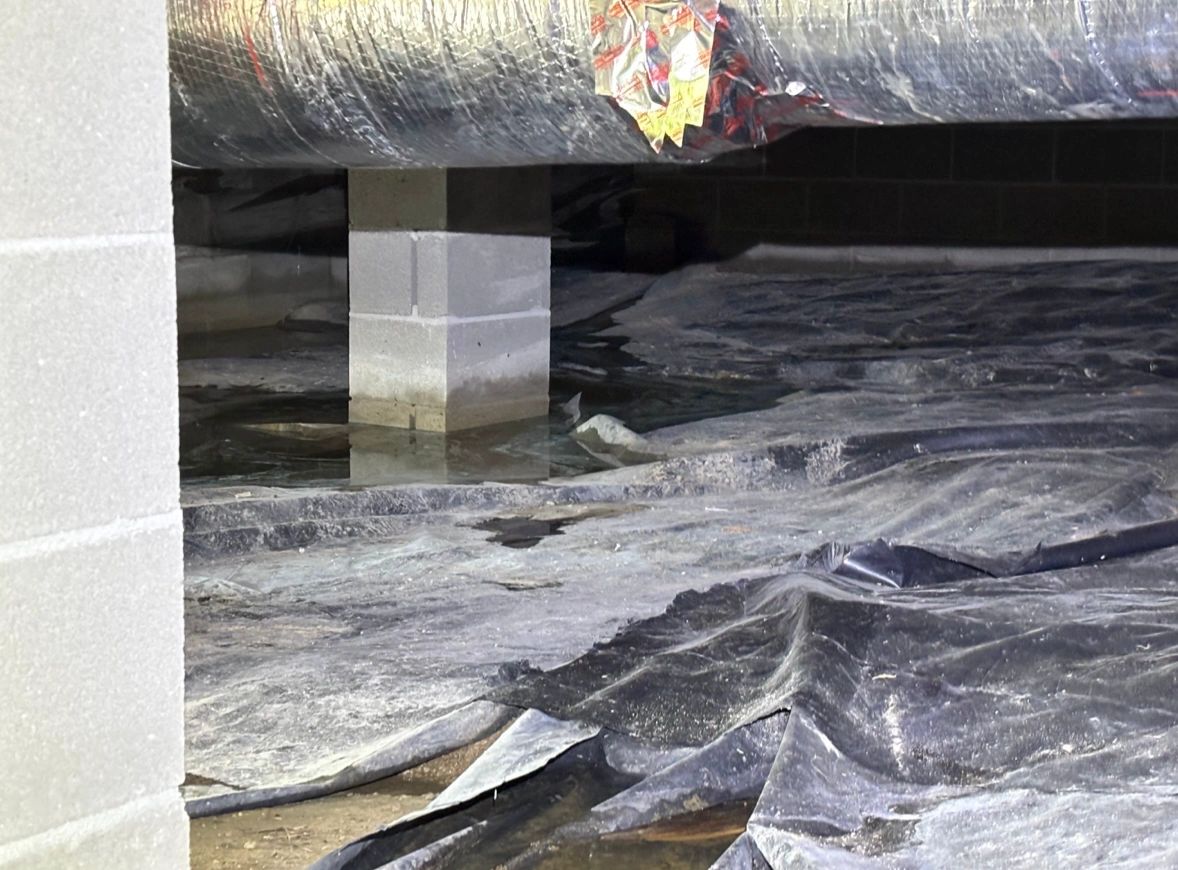
- Standing water or damp soil.
- Higher-than-normal indoor humidity levels.
Can moisture issues in crawl spaces affect indoor air quality?
Yes, crawl spaces are connected to the rest of your home through ventilation systems. Pollutants and allergens from the crawl space can easily circulate, affecting the air quality indoors.
How often should you inspect your crawl space?
It's advisable to inspect your crawl space at least twice a year—once before the rainy season and once after—to identify and address any issues early.
Solutions for Existing Crawl Space Moisture Problems
What should you do if your crawl space already has moisture issues?
- Professional Inspection: Hire experts to assess the extent of the problem.
- Mold Remediation: Remove any existing mold to prevent further spread.
- Encapsulation: This involves sealing the entire crawl space with a vapor barrier and insulation.
- Sump Pump Installation: A sump pump can help in removing standing water efficiently.
- Foundation Repair: Address any structural issues caused by prolonged moisture exposure.
How much does it cost to fix crawl space moisture issues?
Costs can vary based on the severity of the problem and the solutions required. While professional services may seem expensive upfront, they can save you significant amounts in the long run by preventing extensive damage.
Long-Term Maintenance
What are the best practices for maintaining a dry crawl space?
- Regular Inspections: Keep an eye out for new signs of moisture or damage.
- Seasonal Preparations: Before rainy or humid seasons, ensure that preventive measures are in place.
- Upgrade Systems: Periodically update drainage, ventilation, and dehumidification systems as needed.
- Monitor Humidity Levels: Use a hygrometer to keep the humidity levels in check.
Can homeowners handle crawl space maintenance themselves?
While some tasks like installing a dehumidifier or applying a vapor barrier can be DIY-friendly, more complex issues like mold remediation and structural repairs require professional expertise.
Frequently Asked Questions
1. What is the ideal humidity level for a crawl space?
The ideal humidity level for a crawl space is between 50% and 55%.
2. How does landscaping affect crawl space moisture?
Improper landscaping can lead to water pooling around your foundation, increasing the risk of moisture problems.
3. Can crawl space moisture issues impact property value?
Yes, unresolved moisture issues can significantly lower your property's value by causing structural and aesthetic problems.
4. What types of insulation are best for crawl spaces?
Closed-cell spray foam and rigid foam board are ideal as they resist moisture and provide excellent insulation.
5. Are there eco-friendly ways to address crawl space issues?
Yes, options like eco-friendly vapor barriers and energy-efficient dehumidifiers are available.
Conclusion
Maintaining a dry and healthy crawl space is essential for the longevity and safety of your home. By understanding the causes, risks, and solutions for crawl space moisture, homeowners can take proactive steps to protect their property. Regular inspections and timely interventions are key to preventing long-term damage and ensuring a comfortable living environment.