Crawl Space Encapsulation in Murfreesboro, TN
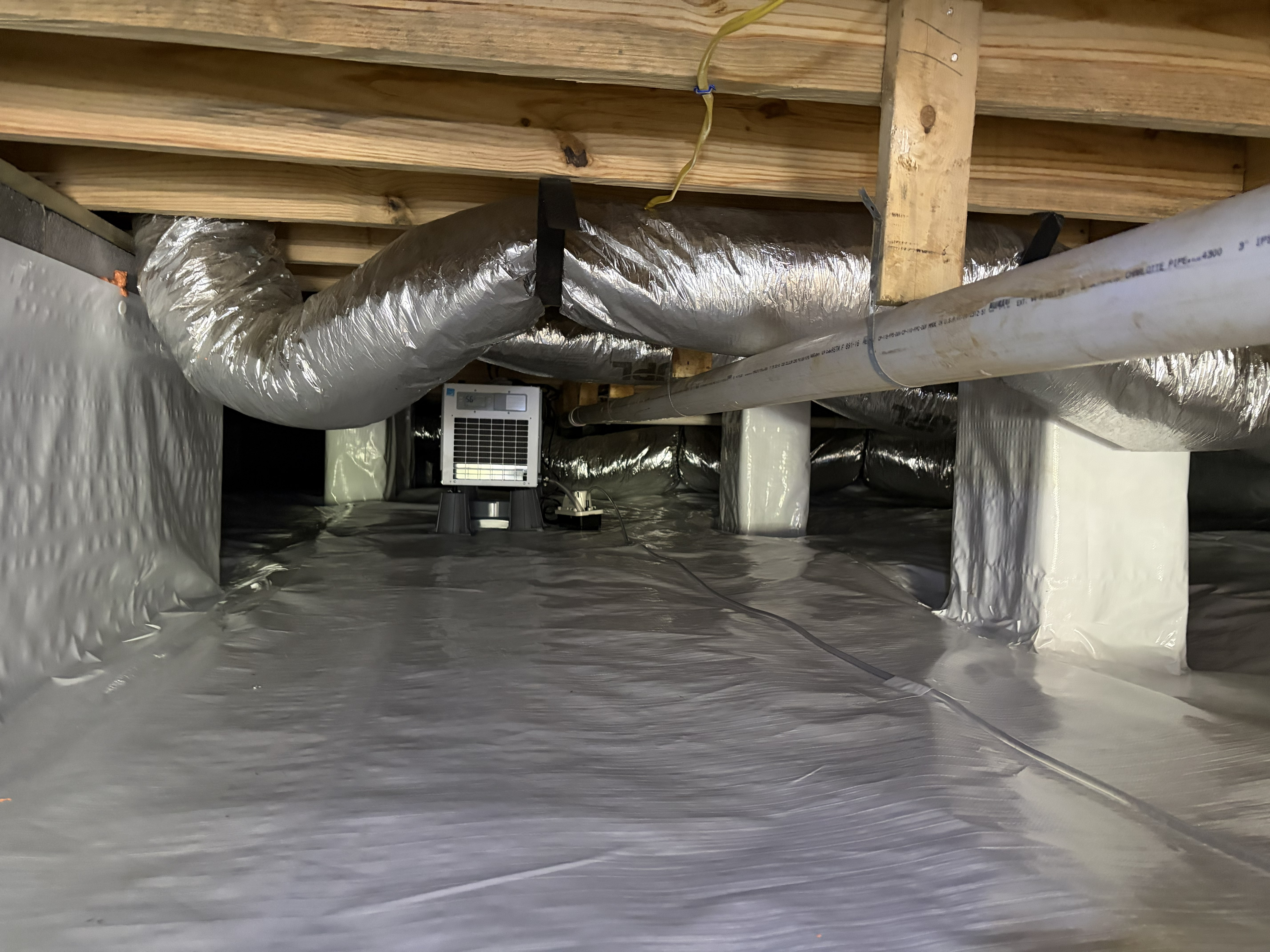
Crawl space encapsulation seals the ground and outside air out of your crawl space with a reinforced vapor barrier, sealed vents, and properly sized dehumidification — designed around the actual condition of your crawl space.
What Happens During Your Free Inspection?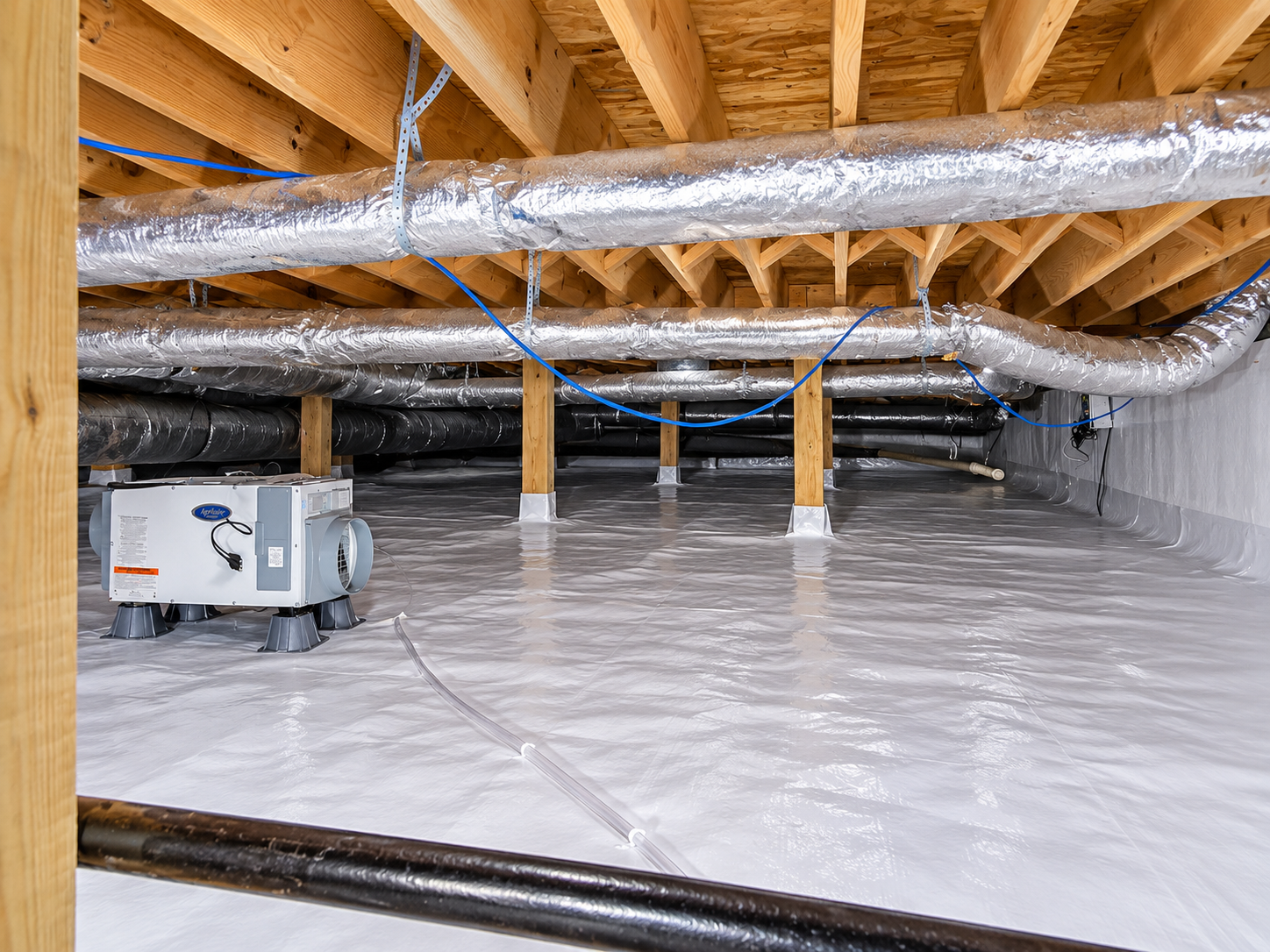
Professional Crawl Space Encapsulation in Murfreesboro & Middle Tennessee
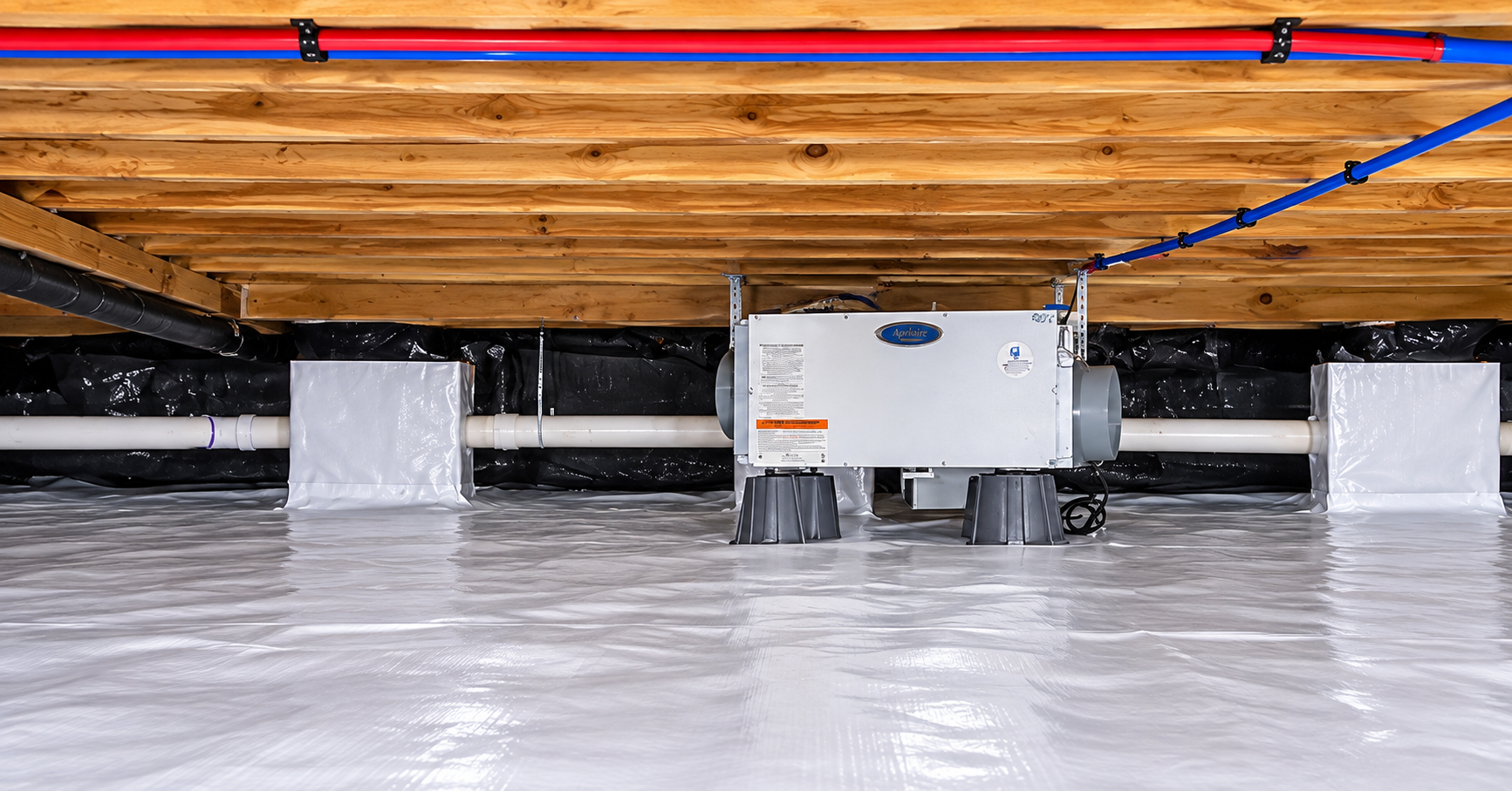
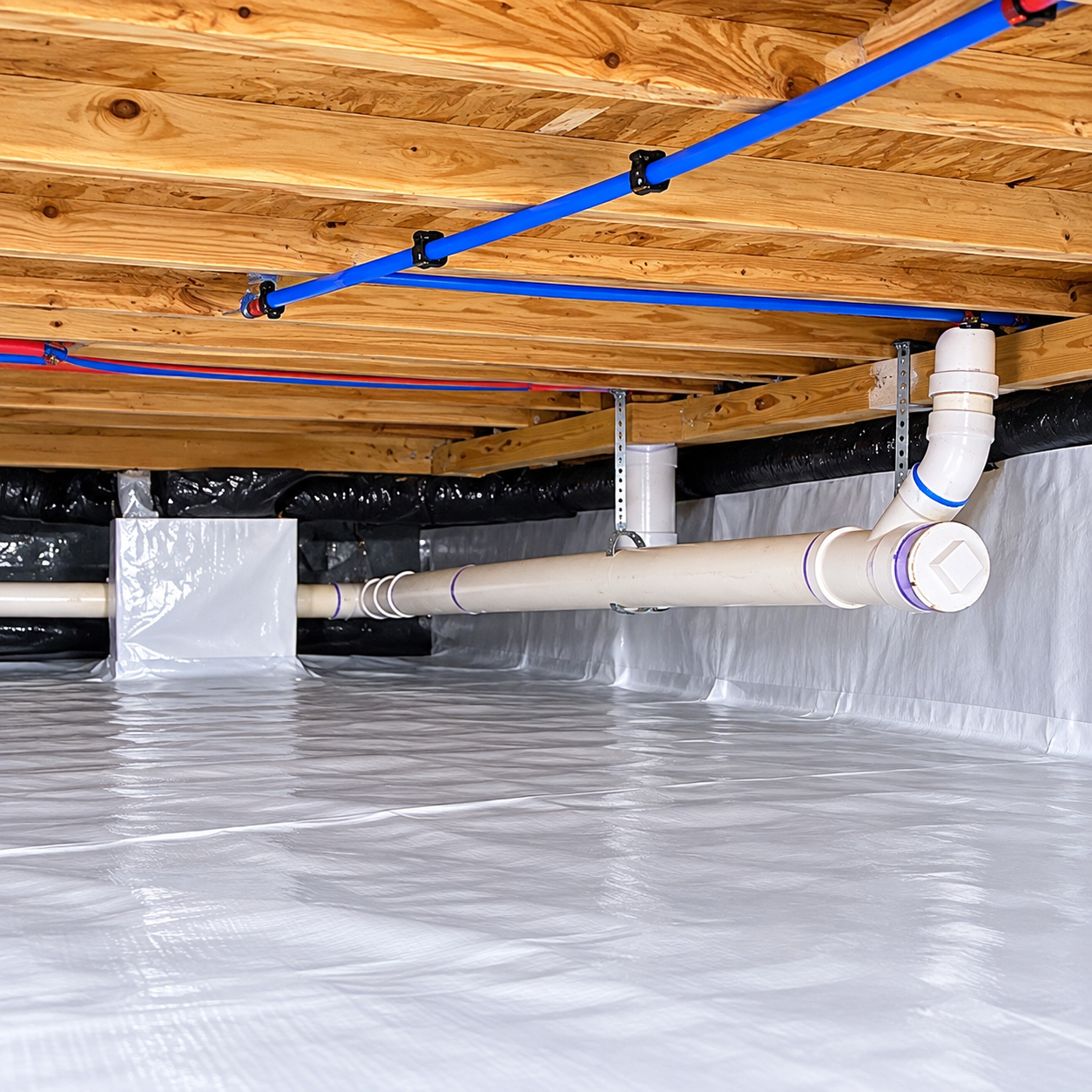
Crawl space encapsulation is a moisture-control method that seals the crawl space from ground moisture and humid outside air. By covering the floor and walls with a reinforced vapor barrier, sealing vents and openings, and adding properly sized dehumidification when needed, encapsulation creates a controlled environment that helps manage crawl space humidity and the conditions that contribute to fungal growth and wood deterioration. In Murfreesboro and across Middle Tennessee, humid outdoor air and clay-heavy soil put constant moisture pressure on crawl spaces. Humid air enters through open vents, ground moisture migrates upward through bare or poorly covered soil, and condensation forms on cool joists and ductwork — the conditions that contribute to elevated humidity, fungal growth, and wood deterioration over time. Encapsulation addresses these moisture pathways as a system. The Crawl Shield designs each encapsulation system around the actual condition of the crawl space. Not every home needs the same liner, the same wall coverage, or the same dehumidification. We inspect first, explain what we find, and recommend a system that makes sense for the conditions — and the scope is clearly identified in your proposal. Important: encapsulation controls ground moisture and humidity — it is not a substitute for water mitigation. If your crawl space has active water intrusion, standing water, drainage problems, or groundwater issues, those conditions should be evaluated and addressed as part of the overall solution. See our crawl space water mitigation services for active water problems.
What's Included in Our Crawl Space Encapsulation
Every encapsulation system is configured based on the condition of the crawl space and the scope of the proposal. Not every project includes every component below — your proposal will clearly identify the system selected for your home.
- Crawl space preparation and debris removal as required for the project
- Reinforced vapor barrier / liner installed across the crawl space floor
- Liner extended onto foundation walls as specified for the project (wall coverage not to exceed 6 feet)
- Liner installed around applicable support piers and columns (pier/column coverage not to exceed 4 feet)
- Seams overlapped and professionally sealed
- Walls and columns mechanically fastened
- Top edge of wall liner sealed
- Crawl space vents sealed
- Air gaps and openings addressed as part of the encapsulation system
- Properly sized dehumidification when required for the conditioned crawl space
- Final walkthrough of the completed work
- Written warranty according to the selected system and proposal
Our encapsulation systems use reinforced liner options, with a 12-mil woven liner as the minimum thickness for full encapsulation and a 20-mil option available where appropriate for heavier-duty applications. Where the full encapsulation system is specified, the reinforced 12-mil woven liner is used with floor coverage, foundation-wall coverage, support-pier coverage, sealed and overlapped seams, mechanical fastening, and a sealed top edge. A basic 6-mil vapor barrier is available as a separate ground-cover service and is not used as an encapsulation liner. Your proposal will clearly identify the system selected for your home. If your crawl space has active water intrusion, our crawl space water mitigation should be evaluated before or alongside encapsulation. Existing fungal growth may require mold and fungal treatment. A standalone vapor barrier installation is also available. Schedule your free crawl space inspection or explore our full range of crawl space repair services.
Why Crawl Space Encapsulation Matters for Murfreesboro Homes
Controls Ground Moisture
A properly installed vapor barrier helps limit moisture migrating from the soil into the crawl space.
Helps Control Crawl Space Humidity
Sealing outside-air pathways and using properly sized dehumidification when needed helps maintain a more controlled crawl-space environment.
Helps Protect Wood Components
Reducing persistent moisture and humidity can help protect floor joists, subflooring, and other wood components from moisture-related deterioration.
Helps Reduce Conditions That Support Fungal Growth
Moisture control is an important part of managing the conditions that can contribute to fungal growth.
Creates a Cleaner, More Controlled Crawl Space
A properly encapsulated crawl space is easier to maintain and inspect than an exposed, damp crawl space.
Written Warranty
Warranty coverage is provided according to the specific system and written warranty supplied with the project.
How Crawl Space Encapsulation Works in Middle Tennessee
Free Crawl Space Inspection
We inspect moisture, humidity, drainage, vapor barrier condition, visible fungal growth, structural concerns, and other relevant conditions.
Preparation
We prepare the crawl space for installation, including debris removal and other required preparation as needed for the project.
Vapor Barrier / Liner Installation
We install the specified liner system across the floor and applicable walls and piers, overlapping and sealing seams.
Wall & Vent Sealing
We mechanically fasten the liner where specified, seal the top edge, and seal crawl-space vents and openings included in the scope.
Humidity Control
We install properly sized dehumidification when included in the project scope.
Final Walkthrough
We review the completed work and provide the applicable written warranty documentation.
Do I Need Crawl Space Encapsulation?
You may want to have your crawl space evaluated if you notice:
- Standing or recurring water
- Musty odors
- High humidity
- Condensation on pipes or ductwork
- Damaged vapor barrier
- Visible fungal growth
- Wet or deteriorating insulation
- Wood moisture concerns
- Crawl-space vents allowing humid outdoor air inside
- No effective moisture-control system
The right solution depends on what is actually causing the problem. That's why The Crawl Shield starts with an inspection rather than recommending the same system for every home.
Schedule Your Free Crawl Space InspectionWarranty
Qualifying crawl space encapsulation systems are backed by a lifetime warranty on applicable materials and craftsmanship, subject to the terms and exclusions of the written warranty.
Dehumidifiers: Qualifying crawl space dehumidifiers carry a 5-year warranty.
Crawl Space Encapsulation Across Middle Tennessee
The Crawl Shield provides crawl space encapsulation to homeowners throughout Middle Tennessee. Find your city to learn how local soil, climate, and housing stock shape the work we do there.
Crawl Space Encapsulation in Murfreesboro: Your Questions Answered
How much does crawl space encapsulation cost in Murfreesboro, TN?
Crawl space projects can range from approximately $500 to $25,000 or more, with our average repair project typically around $8,000. The actual cost depends on the condition of the crawl space, the issues identified during the inspection and evaluation, and the scope of work you choose. Because every crawl space is different, The Crawl Shield provides a free inspection and a clear proposal that identifies the system and scope for your home — call 629-295-3603 to schedule.
Does crawl space encapsulation stop water?
No. Encapsulation controls ground moisture and humidity — it is not a substitute for water mitigation. If your crawl space has active water intrusion, standing water, drainage problems, or groundwater issues, those conditions should be evaluated and addressed as part of the overall solution, often before or alongside encapsulation. See our crawl space water mitigation services for active water problems.
Do I need a dehumidifier after encapsulation?
A sealed crawl space still needs appropriate humidity control. A properly sized dehumidifier is often part of the system, depending on the home's design and conditions. During your free inspection we help determine whether dehumidification is recommended for your crawl space.
What thickness vapor barrier should I use?
For full crawl space encapsulation, The Crawl Shield uses a reinforced 12-mil woven liner as the minimum thickness, with a 20-mil option available where appropriate for heavier-duty applications. The right system depends on the condition of the crawl space and the scope of work. A basic 6-mil vapor barrier is available as a separate ground-cover service and is not used for full encapsulation. Your proposal will clearly identify the system selected for your home.
How long does crawl space encapsulation take?
Most residential encapsulation projects are typically completed in about 1–3 days depending on the size and condition of the crawl space and the scope of work. We provide a clear timeline during your free inspection; this is a typical range, not a guarantee for every project.
Can you encapsulate a crawl space with existing water problems?
Active water intrusion should be evaluated first. Depending on the source, drainage or water mitigation may be recommended before or as part of encapsulation. Sealing a crawl space that has active water entry without addressing the water can trap moisture inside. A free inspection identifies the water source and the appropriate sequence of work.
Does encapsulation prevent mold?
Moisture control can reduce the environmental conditions that support fungal growth, but encapsulation is not a mold-removal treatment. Existing fungal growth may require separate antimicrobial treatment, and the underlying moisture conditions must be addressed for long-term control. See our mold and fungal treatment services if active growth is present.
Is crawl space encapsulation worth it?
The value depends on the home's moisture conditions, existing crawl-space problems, your goals, and the scope of work. An inspection determines whether encapsulation is appropriate for your crawl space and what system makes sense — and there's no pressure or obligation to proceed.
What's the difference between a vapor barrier and full crawl space encapsulation?
A basic vapor barrier — typically a 6-mil polyethylene sheet — covers the crawl space floor to block ground moisture. Full encapsulation goes further: it covers the floor and walls with a reinforced liner, seals seams and vents, mechanically fastens the liner, and adds properly sized dehumidification when needed. A vapor barrier alone doesn't seal the space or control the air's humidity. Encapsulation creates a controlled environment that addresses ground moisture, humidity, and outside-air pathways together.
Complete Crawl Space Protection
Ready to Protect Your Home?
Not sure what your crawl space needs? That's okay. You don't have to know whether you need encapsulation, drainage, a vapor barrier, a dehumidifier, fungal treatment, or structural repair. Our free inspection helps identify the actual conditions and determine what your crawl space needs.
Honest recommendations based on what your crawl space actually needs — we'll tell you what needs attention, and what doesn't.
25+ Years Experience • 500+ Homes Protected • TN Licensed • BBB