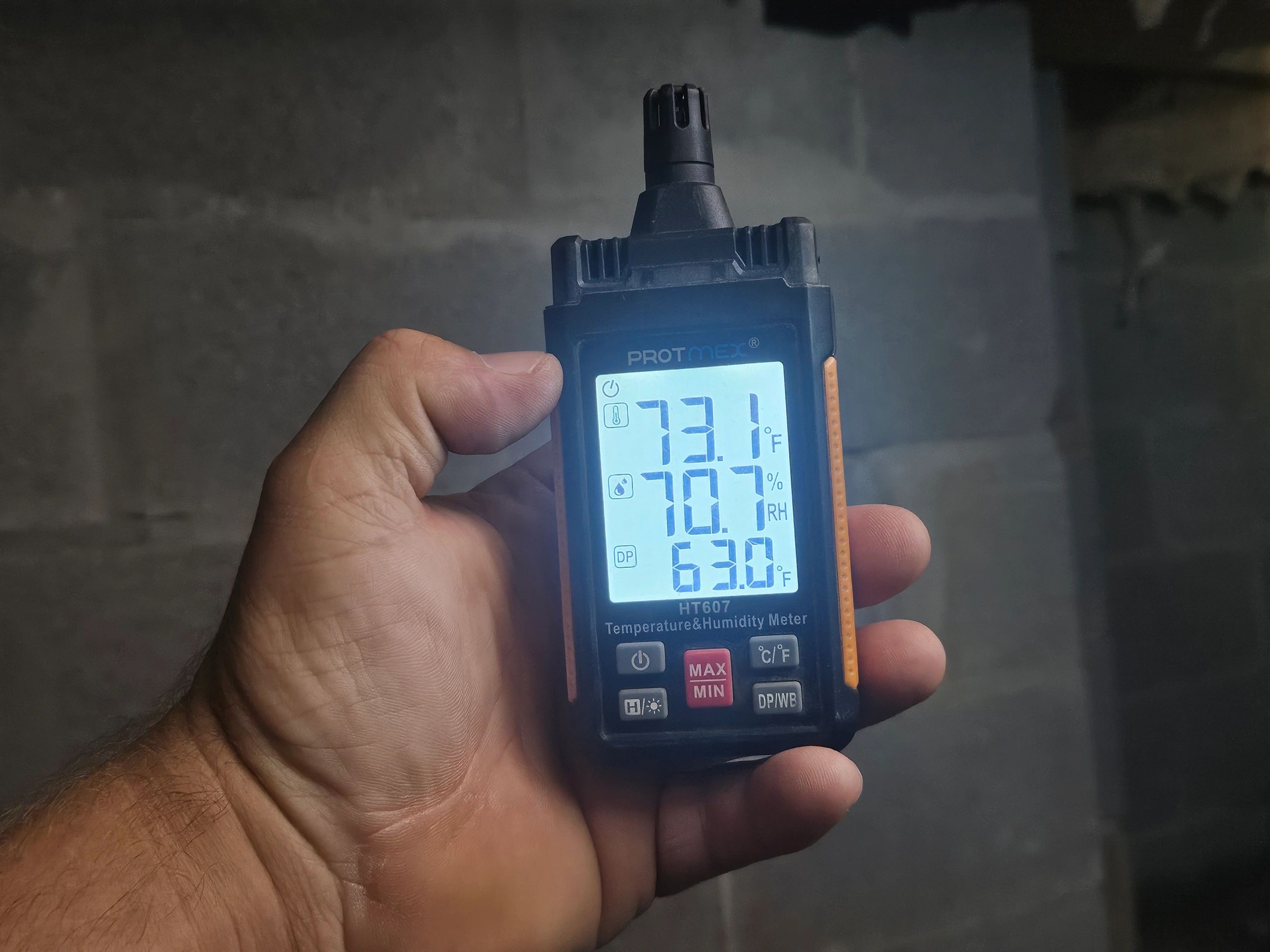
When most homeowners think about maintaining their house, the crawlspace is often the last place that comes to mind. Hidden away beneath the floors, it's easy to overlook—until problems start to show up inside your living space. Moisture and humidity in your crawlspace can cause serious damage over time, leading to costly repairs, poor indoor air quality, and even health issues for your family.
How Moisture Gets Into Your Crawlspace
Crawlspaces are naturally prone to dampness, and there are several ways water and humidity can find their way in:
- Ground Moisture: Water vapor from the soil can rise up into the crawlspace, especially if there's no proper vapor barrier installed.
- Foundation Cracks and Leaks: Rainwater or groundwater can seep through small cracks or gaps in the foundation walls.
- Open Vents: Traditional crawlspaces with open vents allow humid outside air to flow in, raising the humidity level inside.
- Plumbing Leaks or Drainage Problems: A slow plumbing leak or poor yard drainage can add extra moisture that lingers beneath your home.
Why High Humidity Is a Problem
Moisture in your crawlspace does more than just make the air feel damp. When relative humidity levels rise above 60%, it creates the perfect environment for mold growth and wood rot. Over time, this can:
- Weaken your home's wooden support beams and floor joists
- Damage insulation and reduce your home's energy efficiency
- Encourage mold and mildew growth, which can trigger allergies and asthma
- Allow pests like termites, ants, and rodents to thrive
Even worse, about half of the air you breathe on the first floor comes from your crawlspace. That means mold spores, odors, and allergens can easily travel upward into your living area.
Signs of Excess Moisture in Your Crawlspace
If you suspect your crawlspace has moisture issues, look out for these common warning signs:
- Musty odors coming from the floors or vents
- Buckling or sagging hardwood floors
- Condensation on HVAC ducts or plumbing pipes
- Visible mold or mildew growth
- Increased indoor humidity during warm months
How to Control Moisture and Humidity
The good news is that crawlspace moisture problems are preventable. A few key solutions include:
- Vapor Barrier Installation: A thick, sealed vapor barrier blocks moisture from rising out of the ground.
- Crawlspace Encapsulation: Completely sealing the crawlspace with vapor barriers, insulation, and air sealing to keep out humid air.
- Dehumidifiers: A crawlspace-rated dehumidifier can maintain safe humidity levels year-round.
- Proper Drainage and Sump Pumps: Managing groundwater and preventing water entry during heavy rains.
- Closing or Sealing Vents: Preventing humid outdoor air from entering the space.
By taking these steps, you can protect your home's structure, improve indoor air quality, and avoid expensive moisture-related repairs down the road.
Final Thoughts
Your crawlspace might be out of sight, but it should never be out of mind. Keeping moisture and humidity under control is one of the best investments you can make in the long-term health of your home. If you suspect problems in your crawlspace, consider scheduling a professional inspection to identify the source and stop damage before it spreads.