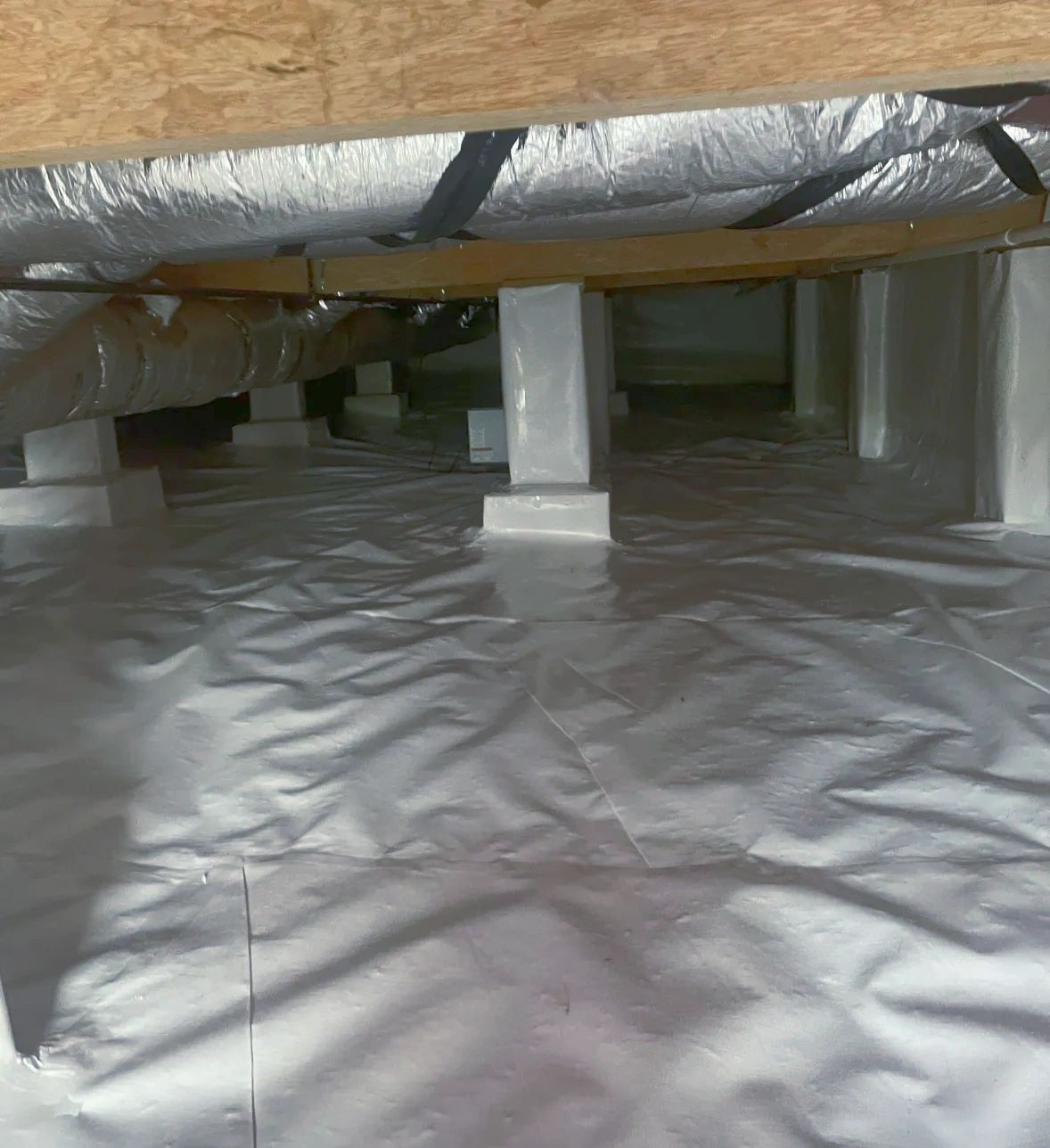
What Lurks Beneath Your Home Could Be Costing You More Than You Think
A hidden layer beneath your home plays a critical role in preserving its structural integrity and indoor air quality—your vapor barrier. Found primarily in crawl spaces, this thin material acts as a crucial defense against moisture intrusion from the ground below. When functioning properly, it prevents dampness from seeping into wooden beams, insulation, and subflooring—common problems in humid climates like Middle Tennessee. Yet, many homeowners overlook this silent protector until signs of trouble emerge: musty odors, sagging insulation, or even rising energy bills.
An outdated, torn, or improperly installed vapor barrier can compromise your entire crawl space environment, creating a breeding ground for mold, mildew, and wood-destroying pests. In regions prone to heavy rainfall and high humidity, maintaining an effective moisture barrier isn't just preventive maintenance—it's essential home preservation. Upgrading to a reinforced, properly sealed vapor barrier system can dramatically improve air quality, reduce HVAC strain, and extend the lifespan of critical structural components.
In this guide, you'll learn how to identify warning signs of barrier failure, understand modern vapor barrier materials, and discover why timely upgrades deliver long-term protection and value—no matter where you live in the Southeast.
Hidden Dangers Lurking Beneath: Why Old Vapor Barriers Fail
A damaged or outdated vapor barrier in your crawl space can quietly compromise your entire home's integrity. Designed to block ground moisture from entering the structural cavity, failing barriers allow dampness to infiltrate, creating a breeding ground for mold, wood-destroying fungi, and corroded support systems. In humid climates like Middle Tennessee, where seasonal temperature swings amplify condensation risks, the consequences escalate quickly.
Persistent moisture doesn't just invite mold—it weakens floor joists, encourages pest infestations like termites and carpenter ants, and deteriorates insulation performance, driving up energy costs. You may notice musty odors, sagging floors, or elevated humidity levels upstairs, all signs that your crawl space environment is uncontrolled.
Key warning signs include:
- Peeling paint or rust on foundation walls
- Visible mold growth on structural wood
- Damp, brittle, or discolored vapor barrier material
Over time, unchecked moisture accelerates structural decay, potentially leading to costly repairs. Replacing a compromised barrier with a reinforced, seamless encapsulation system restores environmental control, improves indoor air quality, and protects long-term property value. For homeowners in Murfreesboro and surrounding areas, addressing vapor barrier integrity is a proactive step toward lasting foundation health and crawl space resilience.
5 Key Benefits of Upgrading to a Modern Vapor Barrier System
Upgrading your vapor barrier isn't just about staying dry—it's a strategic move that improves your home's overall health, efficiency, and long-term value. Especially in humid climates like Middle Tennessee, where crawl space moisture is a common concern, modern vapor barrier systems offer advanced protection beyond basic plastic sheeting. Here's how making the switch delivers real results:
-
Superior Moisture Control for Lasting Protection — Today's reinforced vapor barriers use multi-layer materials that resist tears and punctures, creating a more durable seal against ground moisture. This prevents water vapor from entering the crawl space, reducing the risk of wood rot, mold colonies, and structural damage—especially critical in older homes with dirt floors.
-
Improved Indoor Air Quality — A high-performance vapor barrier acts as a critical air barrier, stopping musty, damp air from rising into living areas. By blocking mold spores and allergens at the source, homeowners often notice cleaner air throughout the house, benefiting those with respiratory sensitivities.
-
Increased Energy Efficiency and Lower Utility Bills — Sealing the crawl space with a quality vapor barrier stabilizes indoor humidity levels, allowing HVAC systems to work more efficiently. Homes in Murfreesboro and surrounding areas report noticeable savings on cooling costs during humid summers thanks to reduced mechanical load.
-
Prevention of Pest Infestations — Moist, decaying wood attracts termites and other wood-destroying insects. A dry crawl space created by an upgraded vapor barrier eliminates this inviting environment, serving as a passive but effective layer of pest resistance.
-
Enhanced Home Durability and Resale Value — Homes with professionally installed, code-compliant vapor barriers are viewed more favorably during inspections and appraisals. The investment signals proactive maintenance, especially important in regions with high seasonal moisture.
Assess Your Vapor Barrier in 5 Simple Steps
Wondering if your crawl space needs an upgraded vapor barrier? Start with a thorough assessment to avoid moisture damage, mold growth, and structural issues—especially critical in humid climates like Middle Tennessee. Follow these steps to evaluate your current setup.
-
Inspect for Visible Damage — Check for tears, sagging, or punctures in the vapor barrier. Even small rips can let significant moisture enter the crawl space, reducing efficiency and inviting mold.
-
Look for Signs of Moisture — Search for condensation, standing water, or musty odors. Damp insulation, wood rot, or rust on metal components indicate poor vapor control.
-
Evaluate Material Thickness — Most effective barriers are at least 12–20 mils thick. If your liner feels thin or easily tears, it's likely underperforming and due for an upgrade.
-
Check Seam and Perimeter Sealing — Overlapping seams should be tightly sealed, and the barrier must adhere to foundation walls and piers. Gaps at edges allow moist air to infiltrate.
-
Consider Age and Installation Quality — Barriers over 5–10 years old may degrade, especially if improperly installed. Poor anchoring or lack of gravel bedding reduces longevity.
Take notes during your inspection—these findings will determine whether repair or full replacement is the smarter choice for long-term crawl space health.
How Long Does a Vapor Barrier Last?
A high-quality vapor barrier typically lasts 20 years or more when properly installed in a clean, dry crawl space. However, lifespan can vary based on material thickness, environmental conditions, and whether pests or moisture have compromised the liner. In regions with high humidity or frequent rainfall—common across Middle Tennessee—upgrading to a reinforced, 20-mil polyethylene barrier can significantly extend durability. Regular inspections every few years help catch tears or moisture buildup early.
What Signs Indicate I Need a Vapor Barrier Upgrade?
Look for musty odors, damp flooring, visible mold on beams, or high indoor humidity levels. Condensation on ductwork or pipes in the crawl space is another red flag. These are all indicators of excessive moisture intrusion, meaning your current vapor barrier may be underperforming or damaged. Upgrading not only improves air quality but also prevents long-term structural decay.
Is It Worth the Cost to Upgrade My Vapor Barrier?
Yes—especially if you're dealing with moisture issues. While the initial investment may vary, upgrading can reduce dehumidifier energy use, prevent costly foundation or wood damage, and support better indoor air quality. Many homeowners see a return through lower utility bills and avoided repair costs.
Can I Install a Vapor Barrier Myself?
While DIY installation is possible, professional installation ensures complete coverage, proper seam sealing, and anchoring to prevent flapping or gaps. Mistakes like leaving soil exposed or failing to overlap seams can render the barrier ineffective. For best results, follow industry standards for vapor retarder placement and moisture control—or trust a licensed professional like The Crawl Shield.