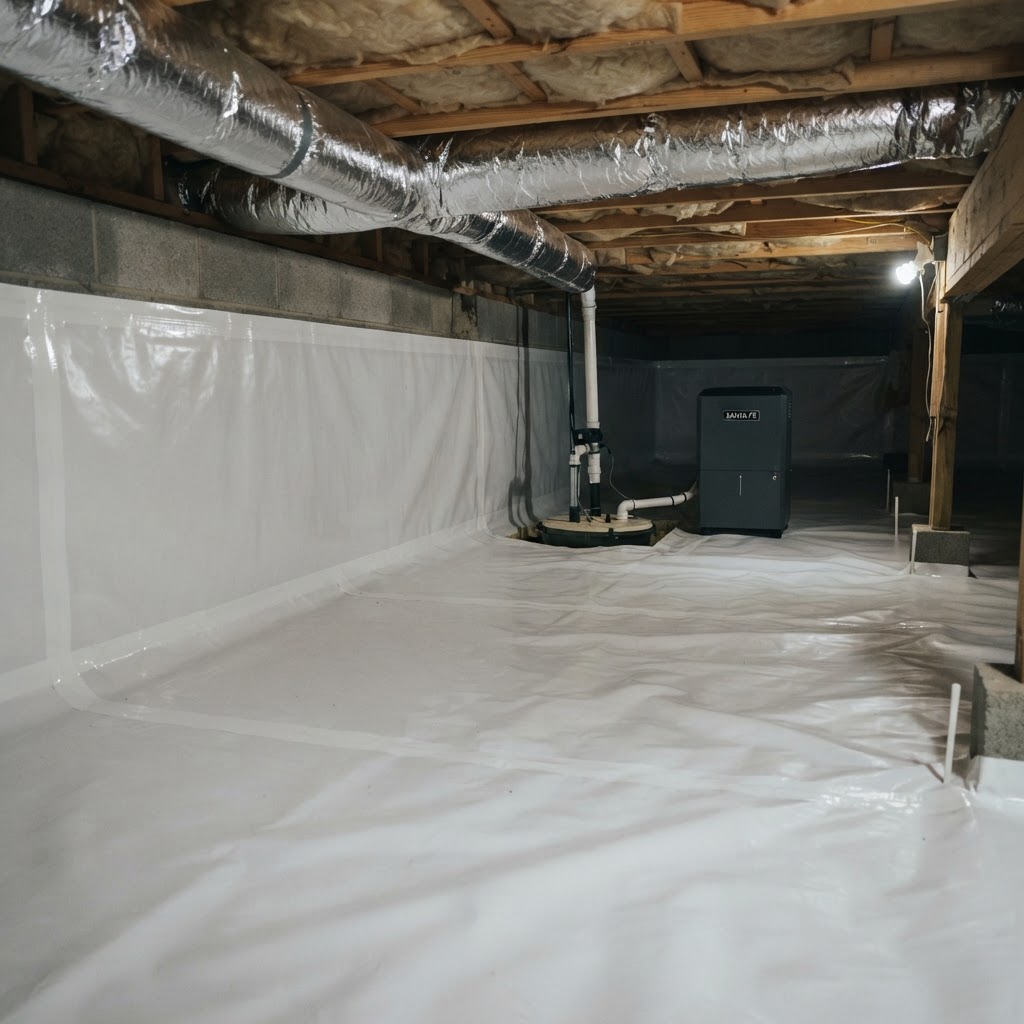
As temperatures drop across Middle Tennessee, homeowners often focus on sealing windows or cleaning gutters, but the most vulnerable part of your home lies beneath your feet. In areas like Murfreesboro, Franklin, and Nashville, winter brings a unique set of challenges for your crawl space. While the air may feel crisp and dry outside, your crawl space can become a breeding ground for moisture-related issues if left unprotected. Understanding how cold snaps, fluctuating humidity, and frozen ground conditions affect your sub-floor environment is key to maintaining your property value and indoor air quality.
The Impact of Temperature Swings on Crawl Space Humidity
Middle Tennessee winters are rarely consistent. We frequently see mild, wet days followed by sudden freezing nights. These rapid shifts in temperature force cold air into your crawl space, which encounters the warmer, moist air rising from the earth. This process leads to condensation on your floor joists, rim joists, and even ductwork. Over time, this recurring condensation is a primary driver of wood rot and mold growth. Unlike summer humidity, which is often obvious, winter moisture tends to hide in dark corners until the damage becomes visible in your living space.
Common Winter Hazards Below Your Home
Ignoring your crawl space during the colder months can lead to expensive structural repairs. Here are the most common issues homeowners in Rutherford, Williamson, and Davidson counties face:
- Frozen or burst plumbing pipes due to inadequate insulation.
- Accelerated wood rot on floor joists caused by constant condensation.
- Increased energy bills as cold, damp air seeps up through the floorboards.
- Infestations of pests like mice or spiders seeking warmth.
- Excessive moisture buildup leading to hidden mold colonies.
Proactive Steps for Winter Protection
Prevention is significantly cheaper than restoration. By implementing a few strategic changes, you can secure your foundation against the winter chill. Follow these steps to prepare your home:
- Inspect your vapor barrier for tears or gaps that allow ground moisture to escape.
- Ensure your crawl space vents are functioning correctly or consider if a sealed system is appropriate for your home.
- Check your insulation; if it is sagging or wet, it is no longer providing thermal protection.
- Have a professional inspect your sump pump to ensure it can handle winter runoff during heavy Tennessee rain events.
- Consider installing a commercial-grade dehumidifier to maintain consistent humidity levels regardless of the outside temperature.
Why Encapsulation Matters in Cold Climates
Many residents in Mt. Juliet, Lebanon, and Smyrna are moving toward full crawl space encapsulation as the definitive solution for climate control. By installing a heavy-duty vapor barrier and sealing foundation vents, you effectively turn your crawl space into a conditioned environment. This stops the stack effect, where cold air from below is pulled into the home. Encapsulation helps keep your floor temperatures consistent and significantly reduces the strain on your HVAC system during the winter months. When the crawl space is isolated from external weather variables, you remove the cycle of condensation that leads to mold and rot.
Expert Professional Guidance
The Crawl Shield provides comprehensive crawl space evaluations for homeowners throughout Middle Tennessee. Whether you are dealing with seasonal humidity issues in Brentwood or potential foundation concerns in Antioch, our team is equipped to diagnose the specific needs of your home. We offer free crawl space inspections to help you identify weaknesses before the deep freeze arrives. Call us at 629-295-3603 to schedule a professional assessment and learn more about our moisture control solutions.
FAQ
Does a vapor barrier help during the winter? Yes, a high-quality vapor barrier is essential because it blocks moisture rising from the soil. This prevents that moisture from condensing on your cold sub-floor joists, which is a major cause of wood decay during the winter.
Can I just leave my crawl space vents open? In many Tennessee homes, open vents allow freezing air to circulate, which can freeze pipes and increase your heating bills. Modern building practices often suggest closing and sealing these vents as part of a controlled encapsulation system.
How do I know if I have winter mold growth? If you notice a musty smell in your home, cold floors, or increased condensation on windows, it may be a sign of high crawl space humidity. A professional inspection can confirm if mold is present and determine the source of the moisture.